High Protein Diet and Not Losing Weight After 40? My Sister-in-Law Ate 120 Grams a Day for Three Months, and Here's Why the Scale Never Moved
 Dana R., contributor — Comfort & Ease Co
If you're on a high protein diet and not losing weight after 40, if you've been weighing chicken breasts and drinking shakes that taste like chalk while the number on the scale sits exactly where it was in June, I want to tell you about my sister-in-law Renee. She did everything this fall's advice says to do. Protein at every meal. Weights twice a week. A modest deficit, not a crash diet. And for three months the scale didn't move one pound.
Renee is 52. She manages a dental office in a suburb of Columbus, which means she eats lunch standing up between patients and gets home at 6:30 too tired to think about dinner. In July she read one of those "how to lose weight after 40" articles that are everywhere right now. Eat about 200 fewer calories a day than you did in your thirties. Get protein into every meal. Lift something a few times a week. It made sense. It was reasonable. She wrote it on a sticky note and put it on her refrigerator.
She bought a food scale. She downloaded the app. She hit 120 grams of protein most days, which, if you've ever tried, is a lot of hard-boiled eggs.

Why a high protein diet can stall after 40
Here's the honest part first: protein is good advice. It keeps you full longer, it protects muscle, and muscle is the thing most of us lose without noticing after 40. If you're eating more protein and lifting, keep doing it. Your body will thank you in ten years.
But protein is a building material. It isn't a match. And what Renee was describing, and what a lot of women in our comments describe, is a body that has the fuel and the material and still won't light the fire. She was eating less. She was moving more. The fat on her middle stayed exactly where it was, like it had been told not to leave.
That's the piece the sticky-note advice skips. It assumes that if you eat less and build muscle, your body will automatically reach into the fat it's been storing and burn it. After 40, for a lot of women, that handoff seems to get stuck. The fat is there. The energy need is there. Something between the two isn't doing its job.

What she tried before
- Seeing her doctor. I'll say what I always say: if you have a stall like this, start here. Thyroid, blood sugar, iron, and a talk about menopause. Renee's labs came back "normal for your age," which she said was the least comforting sentence in the English language.
- More protein. When 100 grams didn't work, she went to 120, then 140. She was bloated, constipated and sick of tuna. The scale stayed put.
- Cutting carbs to almost nothing. Two weeks of no bread, no fruit, no rice. She dropped three pounds of water, gained them back the first weekend, and spent both weeks with a headache.
- A fat-burner from the vitamin aisle. Mostly caffeine. She felt her heart pounding at the front desk and couldn't sleep until 1 a.m.
Every one of those might help somebody. But look at them: more protein, fewer carbs, more caffeine. Each one is a louder version of "eat less, push harder." None of them asked why her body, with plenty of protein and a real deficit, was still holding on to what it had stored.
The hygienist who stopped bringing a shake
The turning point was in the break room. Renee's office has a hygienist named Pam who's 57 and has worked there longer than Renee has. For years Pam was the one with the giant shaker bottle, the one who knew the protein count of every snack in the vending machine. And sometime last spring Renee noticed Pam had stopped bringing it. Pam was eating a regular turkey sandwich. And Pam had gone down two pant sizes.
Renee asked her, a little annoyed, honestly. Pam laughed and said she'd been "the protein lady" for six years and gained eleven pounds doing it. A friend from church had told her the shakes were never the problem and never the solution. Then she opened her purse and set a small bottle of drops on the break room table next to the coffee maker.
It was called Thermo Ignite. Renee's first reaction was the one I'd have. "Drops? Pam, I've got a whole cabinet of things that didn't work." But Pam said the thing that made her stop. "I was feeding the muscle. Nothing was telling the fat to leave."
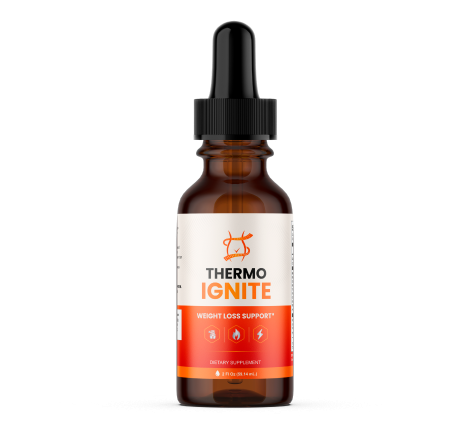
Renee reads labels the way she reads insurance forms, every line, looking for the catch. Here's what was in it, and why she put the tub of powder back on the shelf:
- L-carnitine. The carrier that helps move stored fat into your cells so it can be used for energy. "So that's the handoff," she said. "The fat's in the warehouse and nobody's driving the truck."
- Green tea extract. Catechins that support the body's own calorie burning, without the pounding heart she got from the vitamin-aisle pills.
- Chromium picolinate. A mineral that helps the body handle blood sugar, which is behind the 3 p.m. crash and the cookie that follows it.
- Gymnema sylvestre. A plant traditionally used to quiet the pull toward sweets.
- African mango seed extract. Traditionally used to support fat metabolism; the company describes the formula as made for a mature metabolism.
Nothing in there replaces her protein or her weights. That was the part that convinced her. It wasn't asking her to undo anything she'd built. It was aimed at the one piece the sticky note never mentioned.
What changed, week by week
- Week 1. Nothing on the scale. She did notice she didn't hunt for something sweet after the last patient left.
- Weeks 2 and 3. She dropped her protein back to a sane 90 grams because she wasn't starving by 11 a.m. anymore. Her stomach thanked her.
- Month 1. Three pounds. Small, she knows. But it was the first time the number had gone down and stayed down since spring.
- Months 2 and 3. Her scrub pants needed the drawstring pulled tighter. The jeans from the store in September zipped without lying down on the bed.
Why does it take that long? Because nothing in here is a jolt. You're not forcing a burn for an afternoon the way a caffeine pill does. You're supporting how your body moves fuel and what it does with fat it has been holding for years, and that is slow, quiet work. The company recommends 30 to 90 days of steady use, which is why Renee's second order was the bigger supply. Results vary, and she'd tell you that herself.
If you're weighing chicken on a kitchen scale and the bathroom scale won't move, this is the bottle Pam set next to the break room coffee maker.
See the drops that replaced Pam's shaker bottle →Who it's for, and who should skip it
It may fit you if you're over 40, you're already eating well and moving, the weight has settled on your middle anyway, and adding more protein or cutting more carbs has only made you tired, bloated or hungry.
Skip it, or talk to your doctor first, if you haven't had your thyroid and blood sugar checked, you're pregnant or nursing, you take medication for blood sugar (chromium and gymnema work on the same thing), you have a heart rhythm problem, or you're on or coming off a weight-loss shot.
The guarantee
The company's page shows a 60-day guarantee: if you're not impressed with your results, you write to them within those 60 days and they refund you. Renee, who has filed more insurance appeals than anyone I know, liked that it was in writing. Sixty days, she said, and then she'd look at the drawstring.
Protein builds the house. It doesn't empty the attic. Every month the handoff stays stuck is another month the jeans stay on the hanger.
Start your own 60 days with Thermo Ignite →P.S. Renee threw the sticky note away last week. Not because it was wrong, she says, but because it was only half the list. If you're the one with the shaker bottle in your bag right now, here's the other half Pam keeps in her purse. And if your scale stalled after you started working out harder, my cousin's story about working out more and gaining anyway goes right alongside this one.
5 Morning Habits Real Women Over 40 Swear By
The small, unglamorous rituals that keep coming up in our reader stories — none of them cost more than a few dollars.
- What to do in the first 10 minutes after waking up
- The one thing to check before you reach for coffee
- A 2-minute ritual three readers mentioned, unprompted
- What "listening to your gut" actually means, medically
- The question to ask before starting anything new